
AI-Native Architecture
A multi-part series helping you to understand the AI-Native architecture guidelines. Design applications around what AI actually is, rather than bolt AI onto what you already built. Learn about probabilistic behavior, inference economics, the context supply chain, and model lifecycle.
-
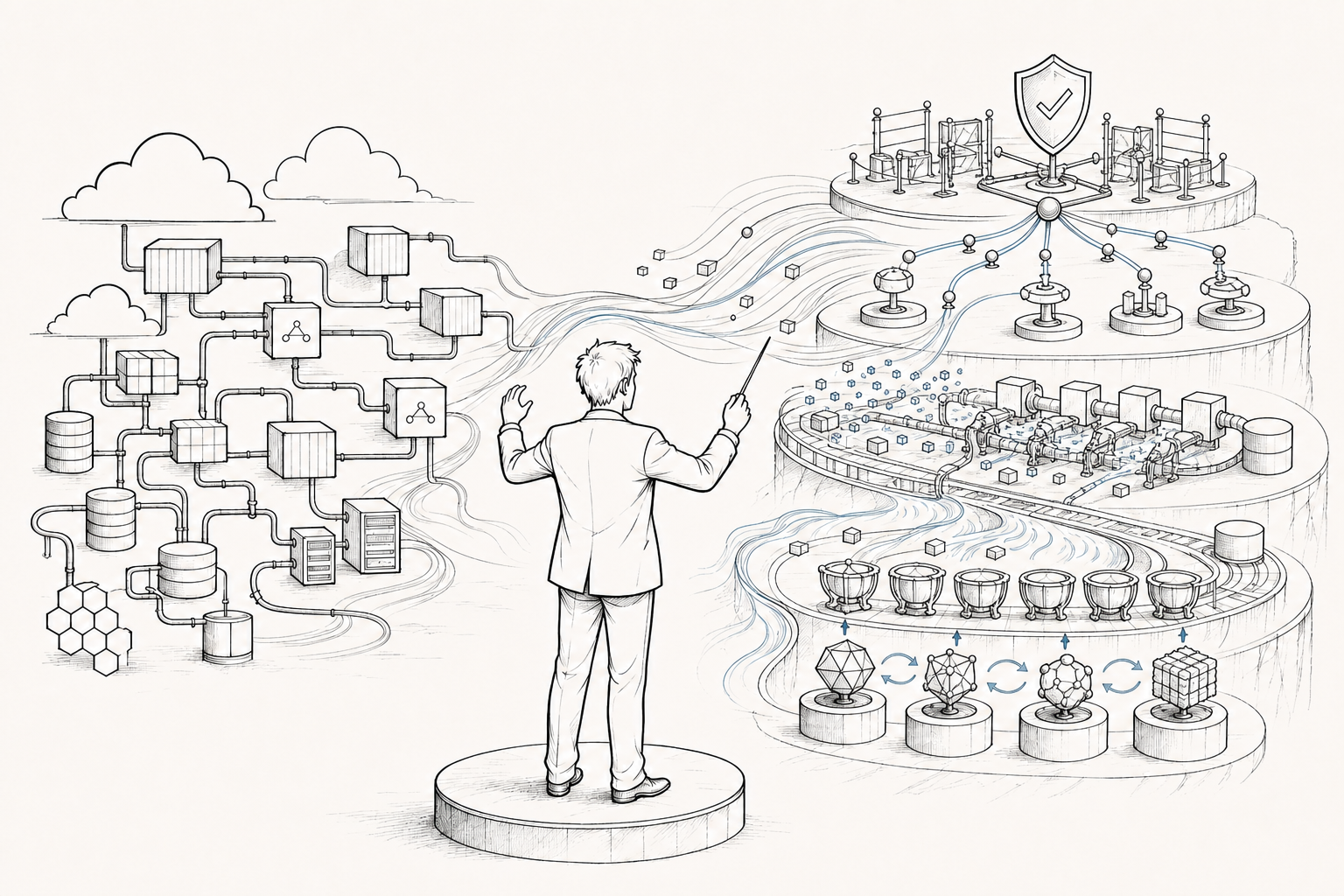 From Cloud-Native to AI-Native: The Next Evolution of Enterprise Architecture
The anchor article — the four-properties test that opens the series
Every enterprise says it's adopting AI, the same way every enterprise once said it was in the cloud. Bolting AI features onto an existing system is the new lift-and-shift — the four-properties test for what genuinely AI-native architecture requires instead.
Read more → -
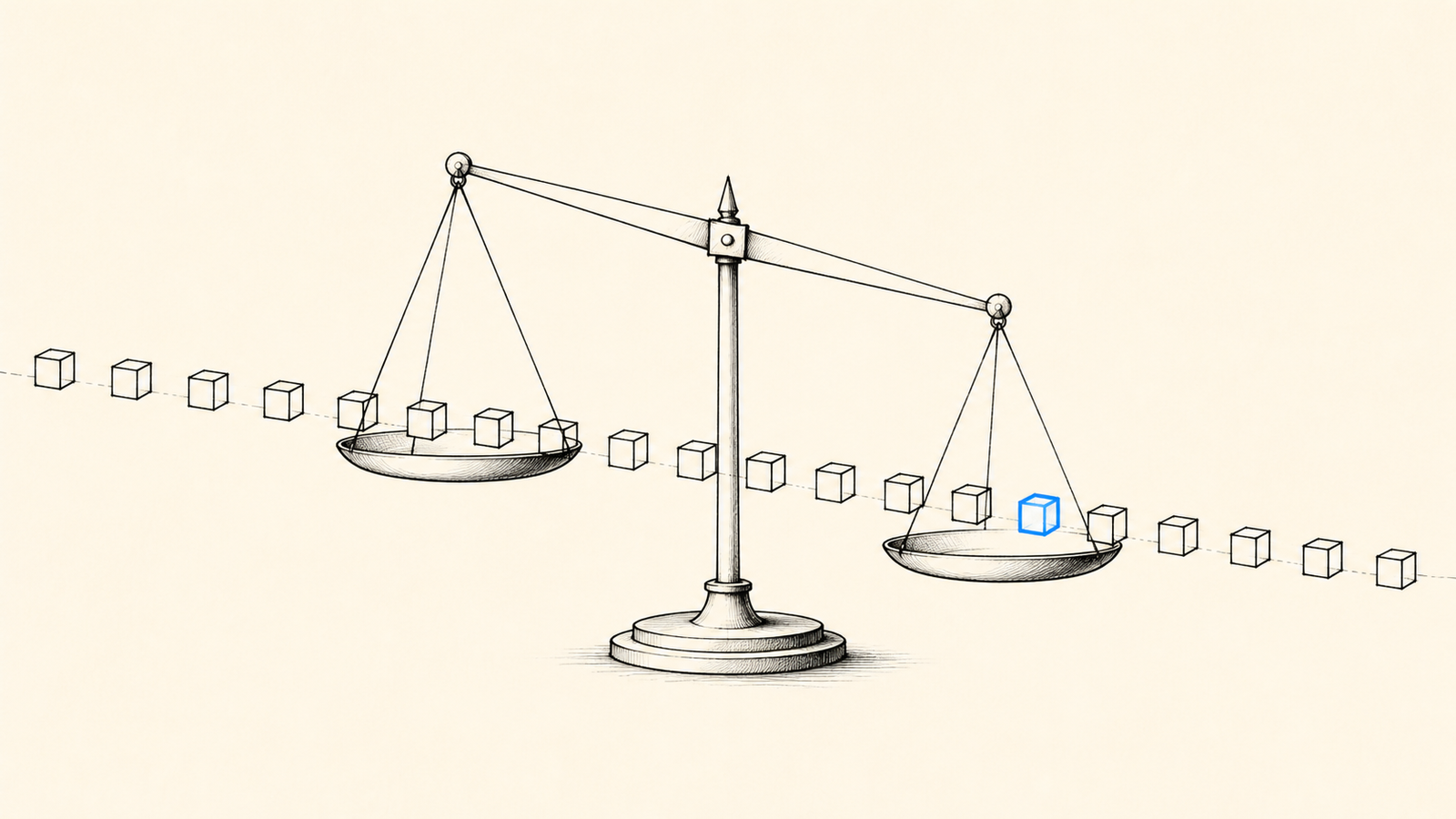 It Passed the Test. That Doesn't Mean It Works.
Act I, article 1 of 4 — property 1: probabilistic behavior
Every testing, monitoring, and reliability practice you own rests on one assumption: same input, same output. An LLM in the call path removes it. What replaces it is evaluation, thresholds, and verification as an explicit architectural layer with a cost and an owner.
Read more → -
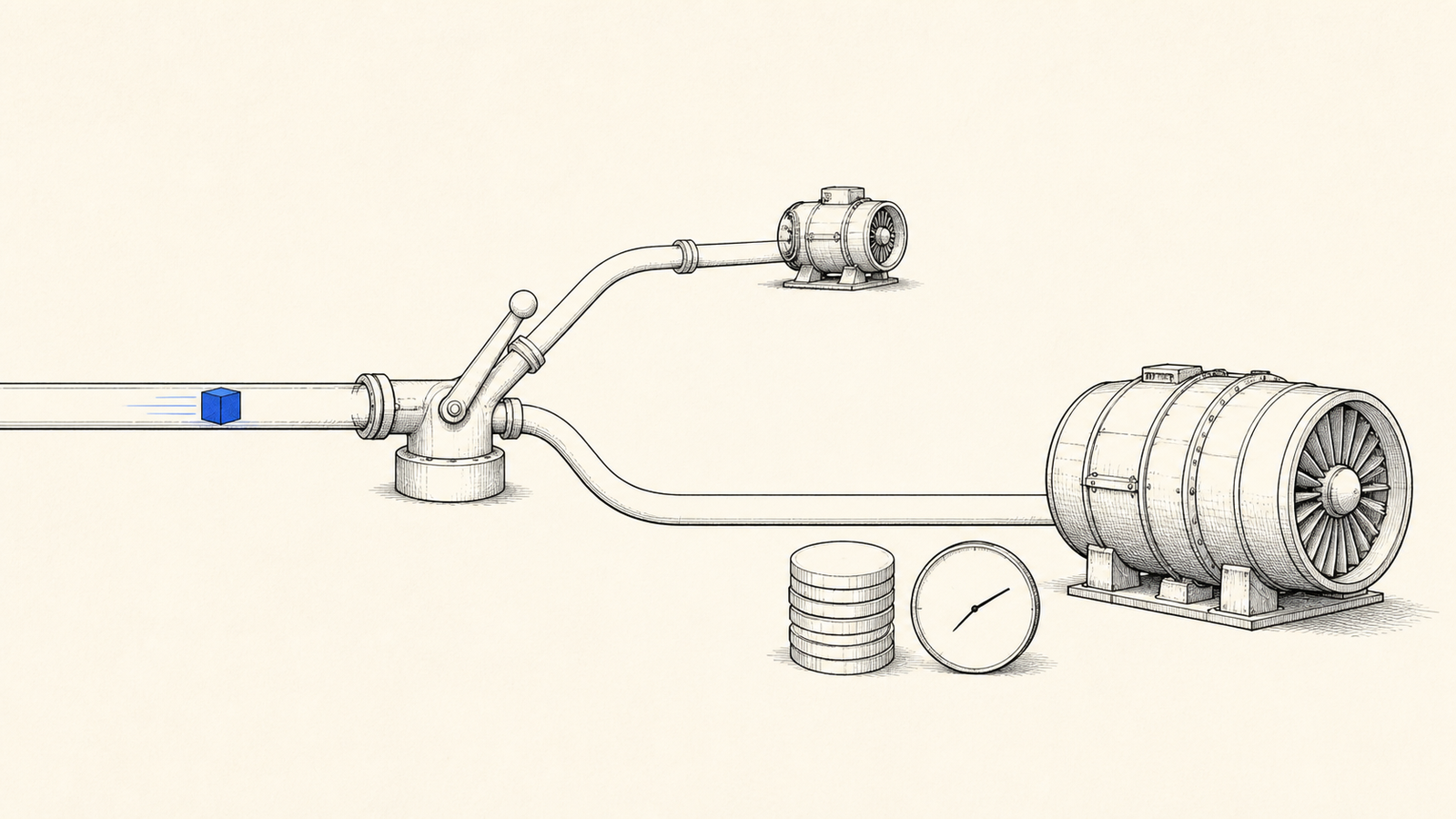 Your Function Call Was Free. This One Isn't.
Act I, article 2 of 4 — property 2: inference economics
Distributed systems changed architecture because the network made a function call expensive. AI does it again, except the cost is money as well as latency. Model routing is an architectural decision, not an optimization you do later.
Read more → -
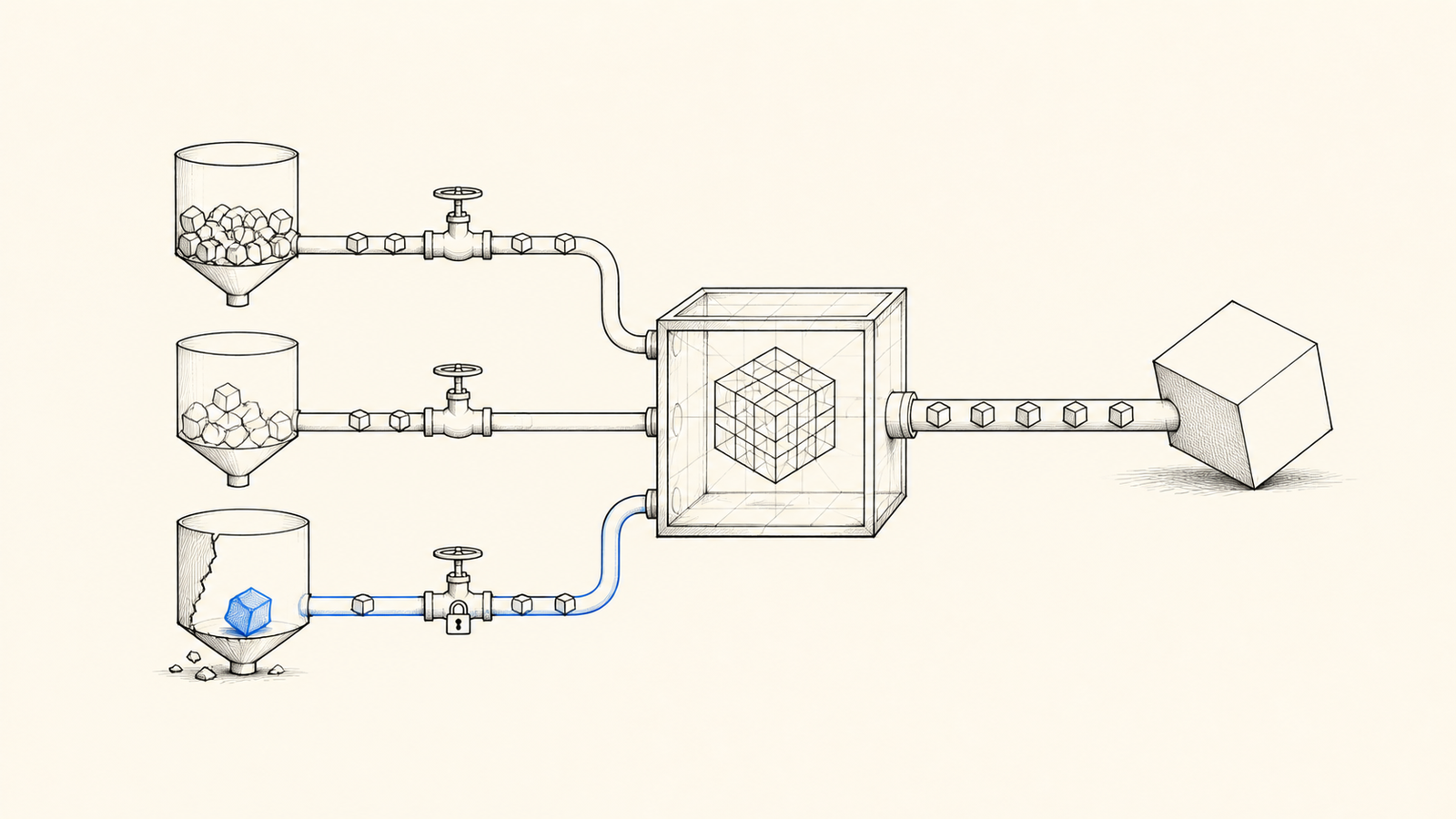 The Model Isn't Wrong. Your Context Is.
Act I, article 3 of 4 — property 3: the context supply chain
Retrieval, freshness, and data boundaries stop being back-office plumbing the moment a model depends on them. The context supply chain deserves the same rigor we learned to give service contracts, and it is where AI security actually lives.
Read more → -
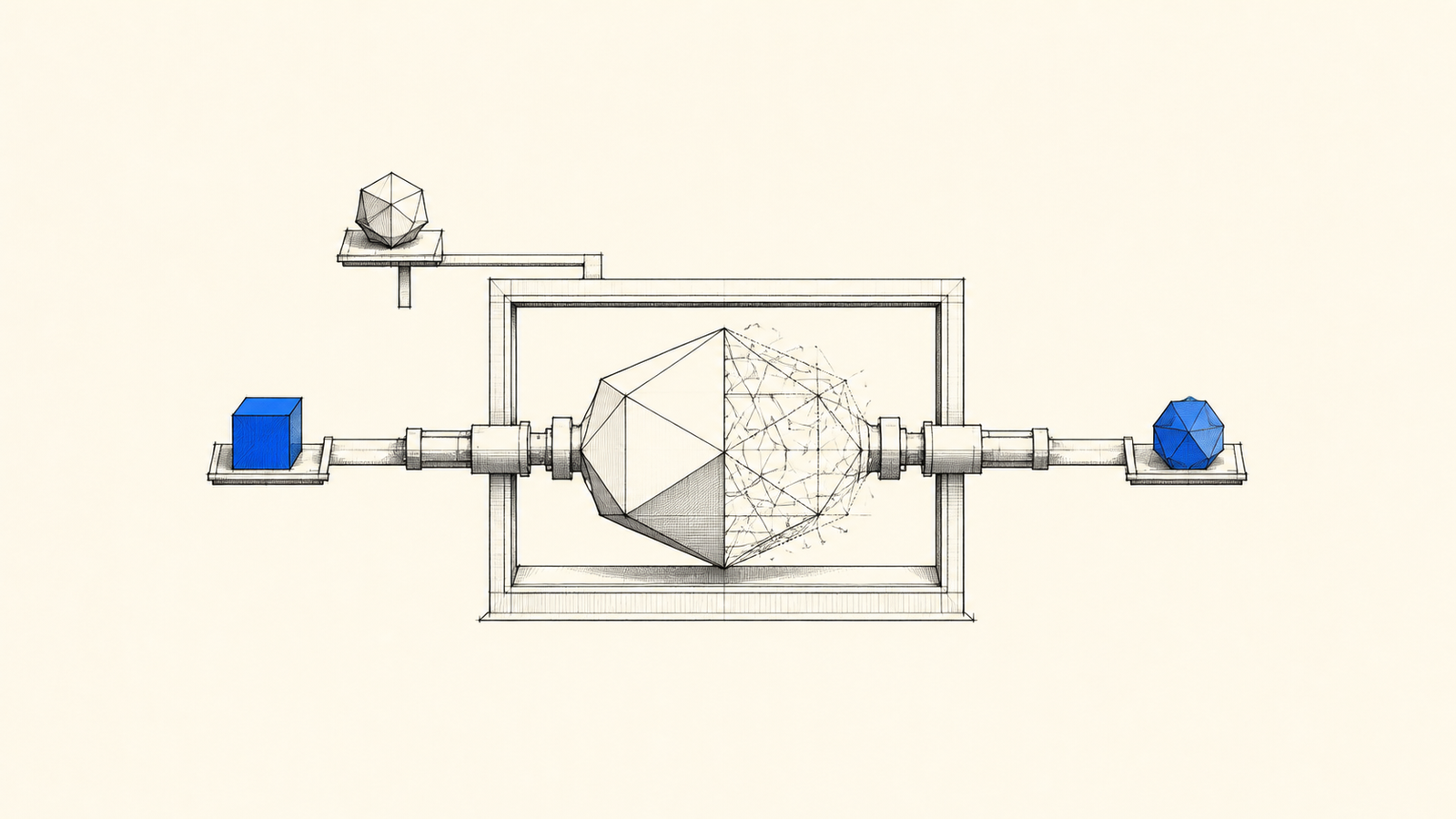 You Didn't Change Anything. It Changed Anyway.
Act I, article 4 of 4 — property 4: model lifecycle
Services version on your schedule. Models drift, get deprecated, and improve on someone else's. Designing the boundary around a component you do not control, and the honest math on how much abstraction is worth paying for.
Read more → -
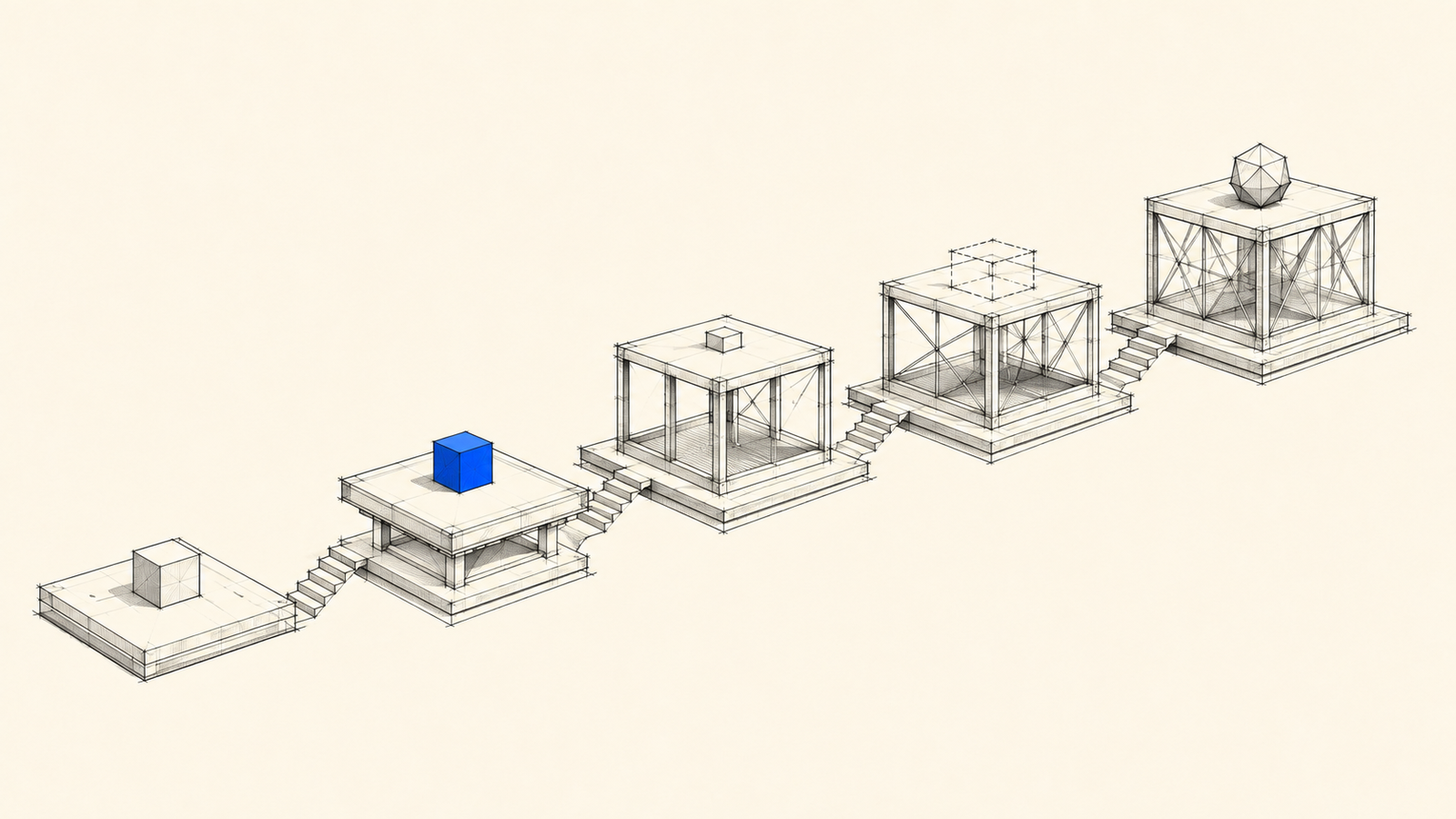 You're at Level 2 and You Think You're at Level 4
Act II, article 1 of 4 — the maturity model
Five levels, from "we added a chat feature" to "this is how we build now," each with an observable test instead of an adjective. Most organizations are two levels below where they believe they are, for the same reason they were on cloud maturity. The demo works, so the architecture must be fine.
Read more → -
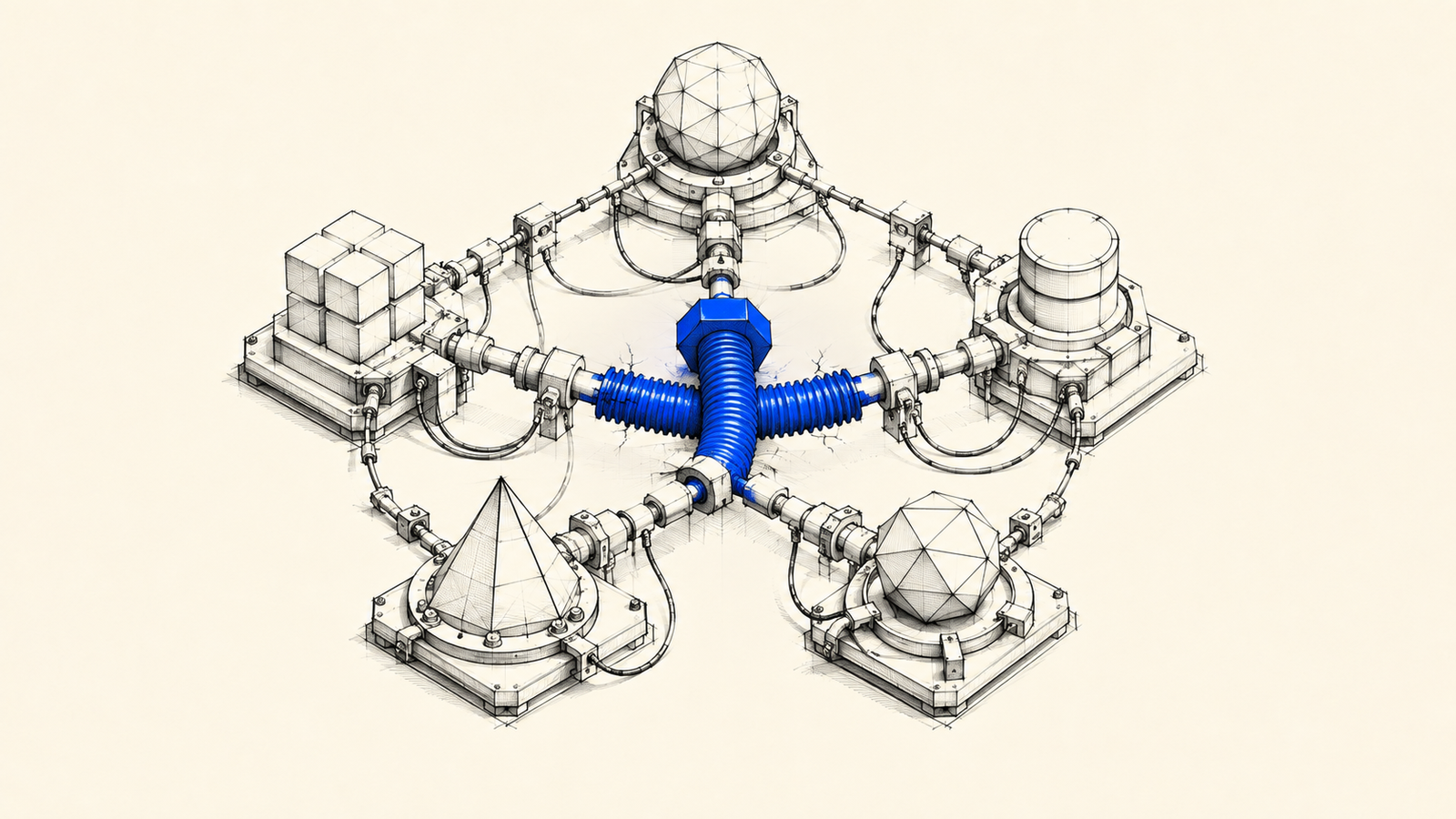 Bolted On, Then Bolted Together
Act II, article 2 of 4 — the anti-pattern catalog
The distributed monolith was the cloud-native failure that looked like success. AI already has its own catalog: the load-bearing prompt, the eval that tests the model instead of the system, RAG on a data model never meant to be retrieved from, the agent with tool access, and the special-case integration. Each one, and the check that finds it.
Read more →