
Security & Risk
Least privilege, incident and break-glass access, agent permissions, prompt injection, data leakage, zero trust, governance, and ethics — including AI security, which lives here rather than in a category of its own.
-
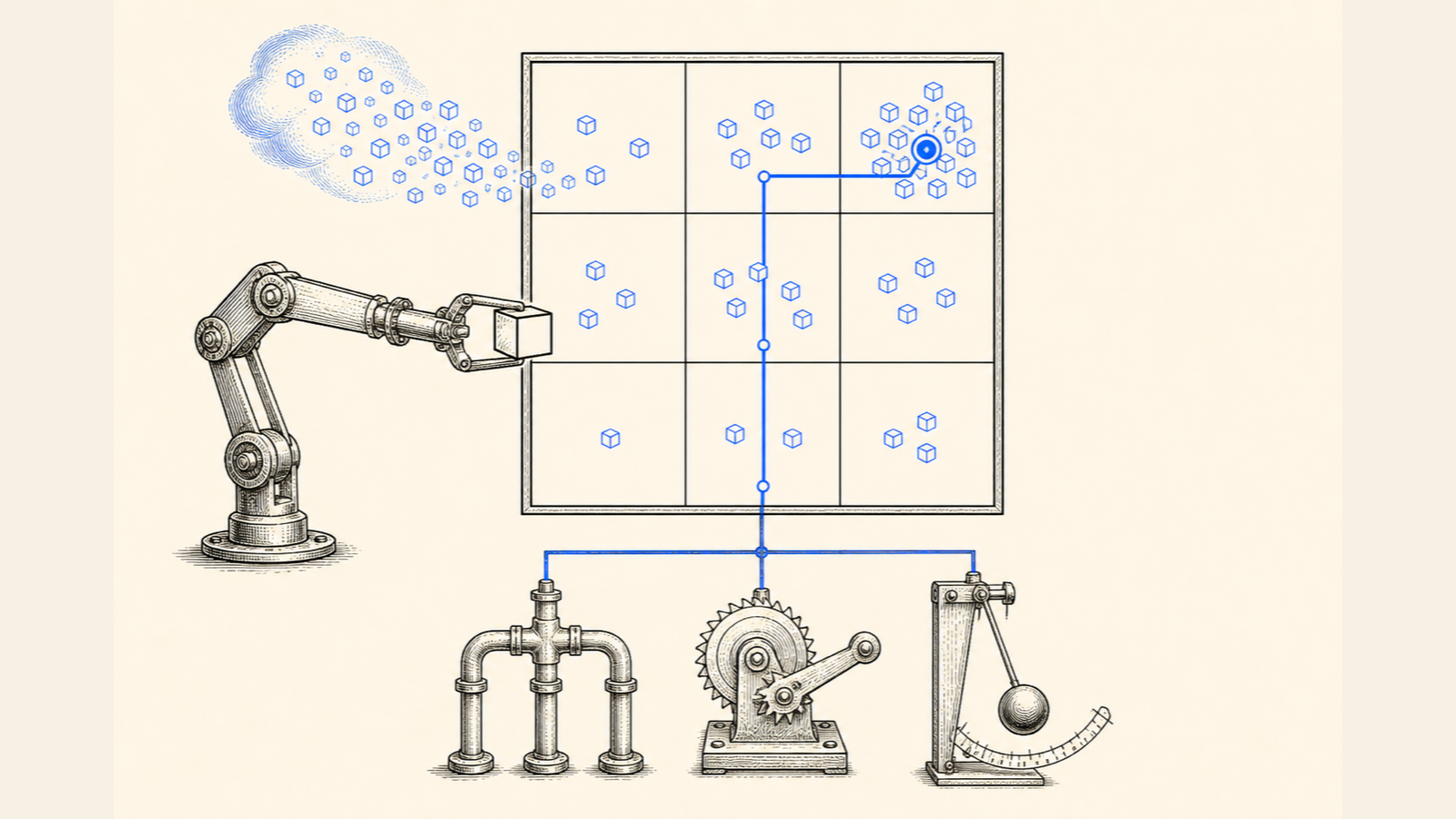 AI Didn't Break Your Risk Matrix. It Broke Your Scores.
AI components belong on the same risk matrix as everything else. What changes is how you score them: a likelihood rubric built on how often a person meets the failure, and a severity rubric built from reach, reversibility, and detection lag.
Read more → -
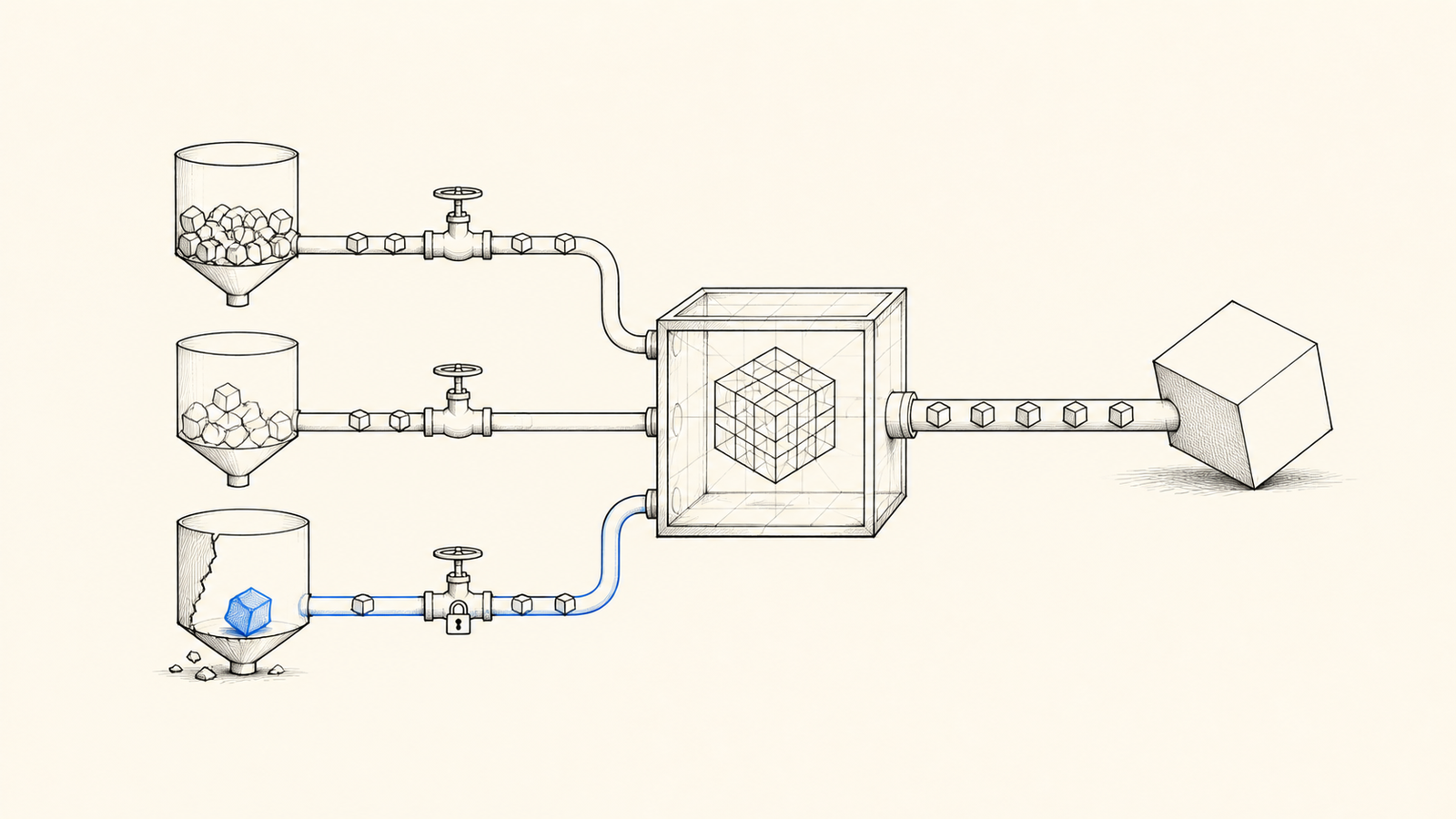 The Model Isn't Wrong. Your Context Is.
Retrieval, freshness, and data boundaries stop being back-office plumbing the moment a model depends on them. The context supply chain deserves the same rigor we learned to give service contracts, and it is where AI security actually lives.
Read more → -
 Prompt Injection Isn’t a Bug. It’s a Property
Prompt injection is the SQL injection of the AI era, except there's no equivalent of a prepared statement to fix it. Why the right question isn't "how do I prevent it" but "what can a compromised agent actually do" — and how least privilege and narrow blast radius answer that.
Read more → -
 The Hidden Risks of "Sign In with Google"
"Sign In with Google" is convenient, but it turns your Google account into a single point of failure — locked out of Google means locked out of everything linked to it. Why password managers and passkeys give the same one-click convenience without the coupling.
Read more → -
 Managed File Transfer in the Modern Era
A critical GoAnywhere vulnerability took a week to patch and then months for on-premises customers to install it — while ransomware groups exploited it in the wild. Why patch latency is an architectural problem, and the eight SaaS security practices (illustrated by Files.com) that eliminate it.
Read more → -
 Less is More: The Principle of Least Privilege
A two-service message queue example shows why granting only the minimum necessary permissions — write-only for the sender, read-only for the receiver — keeps a compromised service's blast radius as small as possible.
Read more → -
 Fortress in the Cloud: How Security Zones Shield Your Data from Cyber Attacks
A flat security model is a reinforced front door on a house with paper-thin walls. Splitting production infrastructure into public, private, and DMZ isolation zones turns what could be a catastrophic breach into a contained, minor incident.
Read more → -
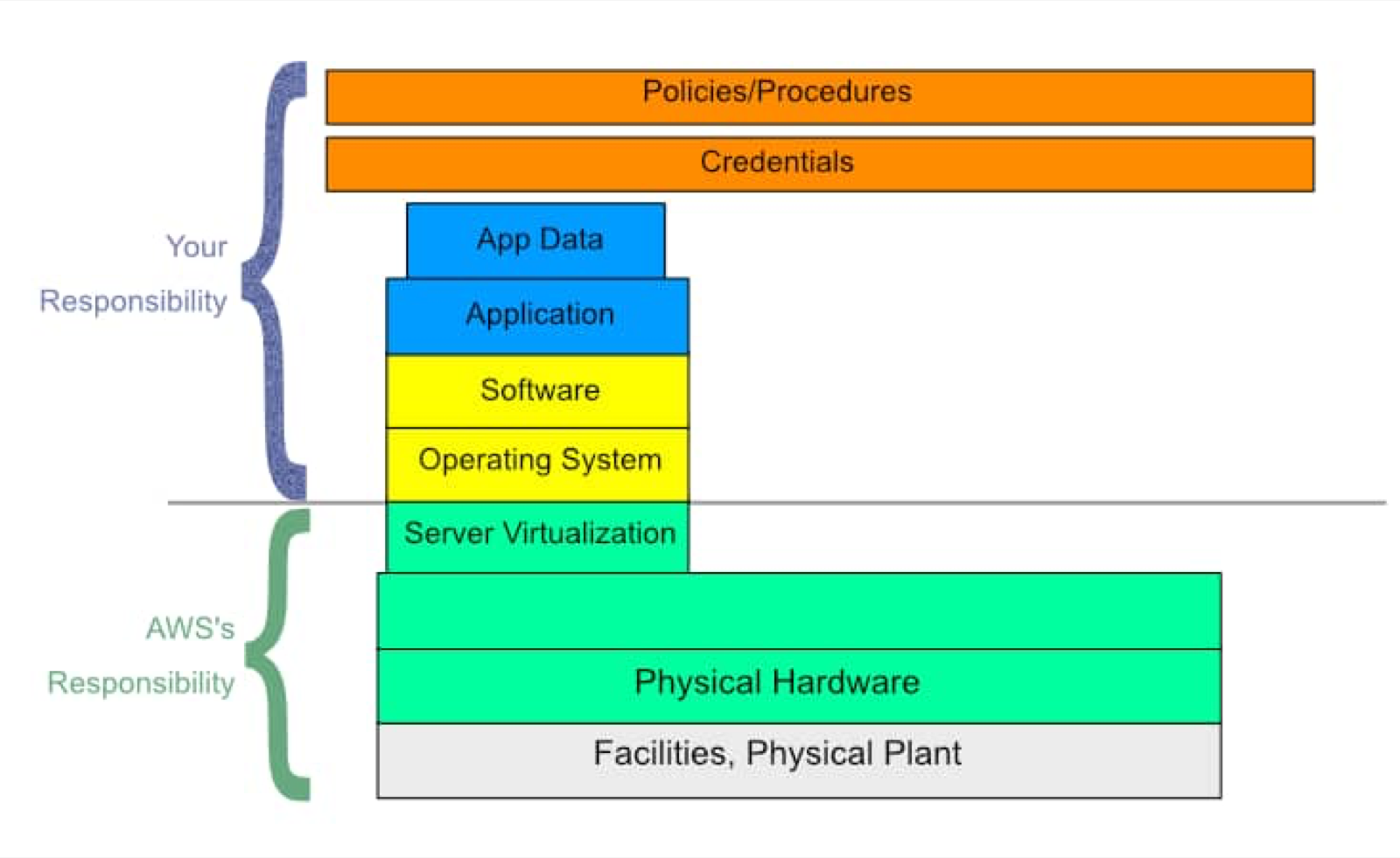 Who’s Responsible? Understanding the Principle of Shared Responsibility
Cloud security is a split contract, not a handoff. Using AWS EC2 vs. RDS as examples, the dividing line between what your cloud provider secures and what you must secure yourself shifts service by service — and you need to know exactly where it falls.
Read more → -
Don’t let your services become Trojan Horses
Microservices multiply your attack surface. A single compromised service, even inside a private network you assumed was safe, can become a Trojan Horse for compromising every neighboring service.
Read more →