
Security Fundamentals
The security principles that hold up regardless of what you are building. Trust boundaries between your own services, who is actually responsible for what in the cloud, security zones, and least privilege.
-
Don’t let your services become Trojan Horses
Microservices multiply your attack surface. A single compromised service, even inside a private network you assumed was safe, can become a Trojan Horse for compromising every neighboring service.
Read more → -
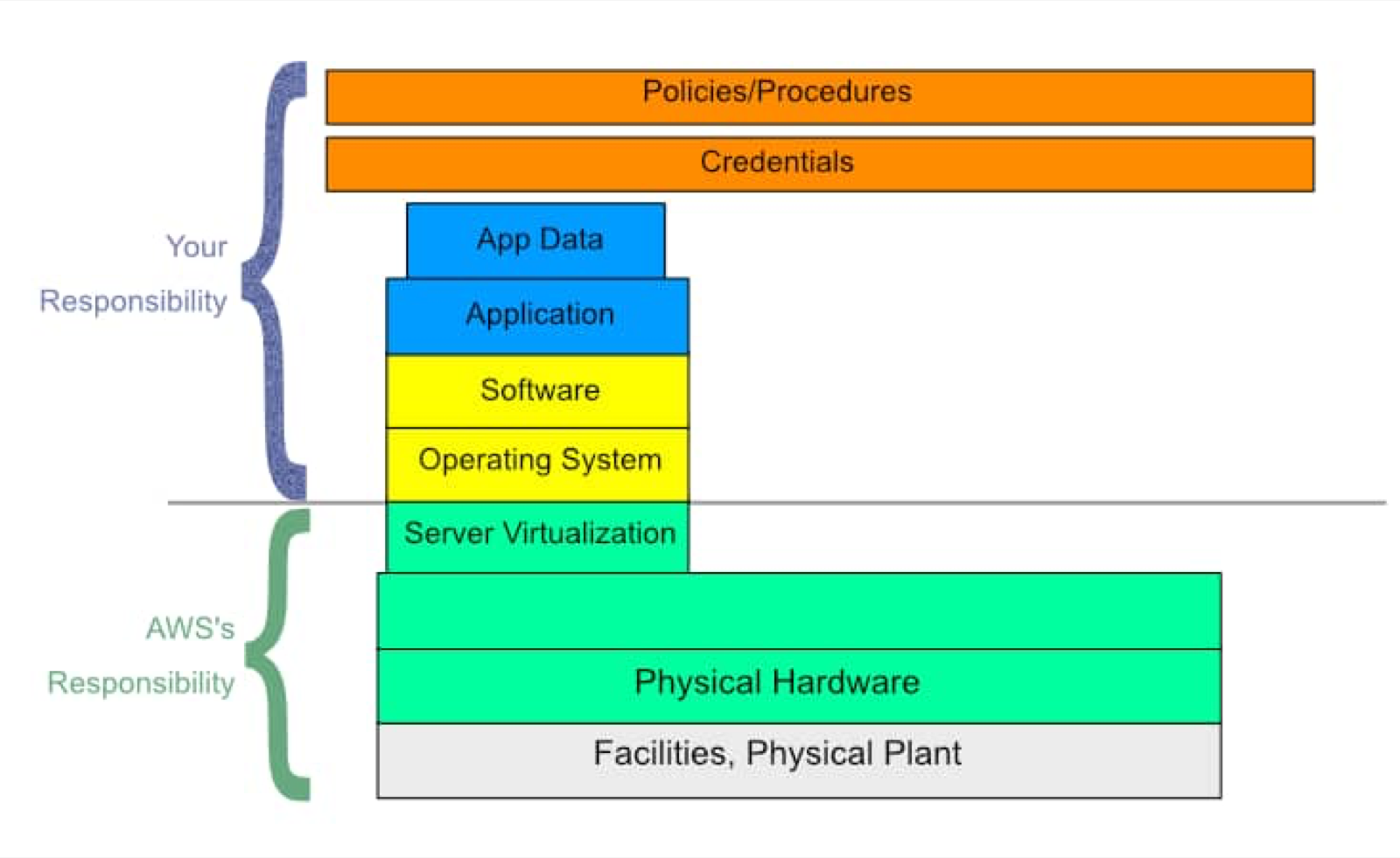 Who’s Responsible? Understanding the Principle of Shared Responsibility
Cloud security is a split contract, not a handoff. Using AWS EC2 vs. RDS as examples, the dividing line between what your cloud provider secures and what you must secure yourself shifts service by service — and you need to know exactly where it falls.
Read more → -
 Fortress in the Cloud: How Security Zones Shield Your Data from Cyber Attacks
A flat security model is a reinforced front door on a house with paper-thin walls. Splitting production infrastructure into public, private, and DMZ isolation zones turns what could be a catastrophic breach into a contained, minor incident.
Read more → -
 Less is More: The Principle of Least Privilege
A two-service message queue example shows why granting only the minimum necessary permissions — write-only for the sender, read-only for the receiver — keeps a compromised service's blast radius as small as possible.
Read more →