
AI Ethics & Responsibility
Fairness and bias, AI safety, algorithmic accountability, transparency, data ethics, and AI regulation — the question of whether we should be doing this and to whom it is accountable, as distinct from Security & Risk's question of whether it can be exploited.
-
 What the EU AI Act Actually Requires (And What It Doesn't)
The EU AI Act's reach extends to any company whose AI system's output is used by people in the EU, no European office required. A plain-language breakdown of the four risk tiers, what high-risk systems (hiring, credit, biometrics) must actually do, and what the Act does not require.
Read more → -
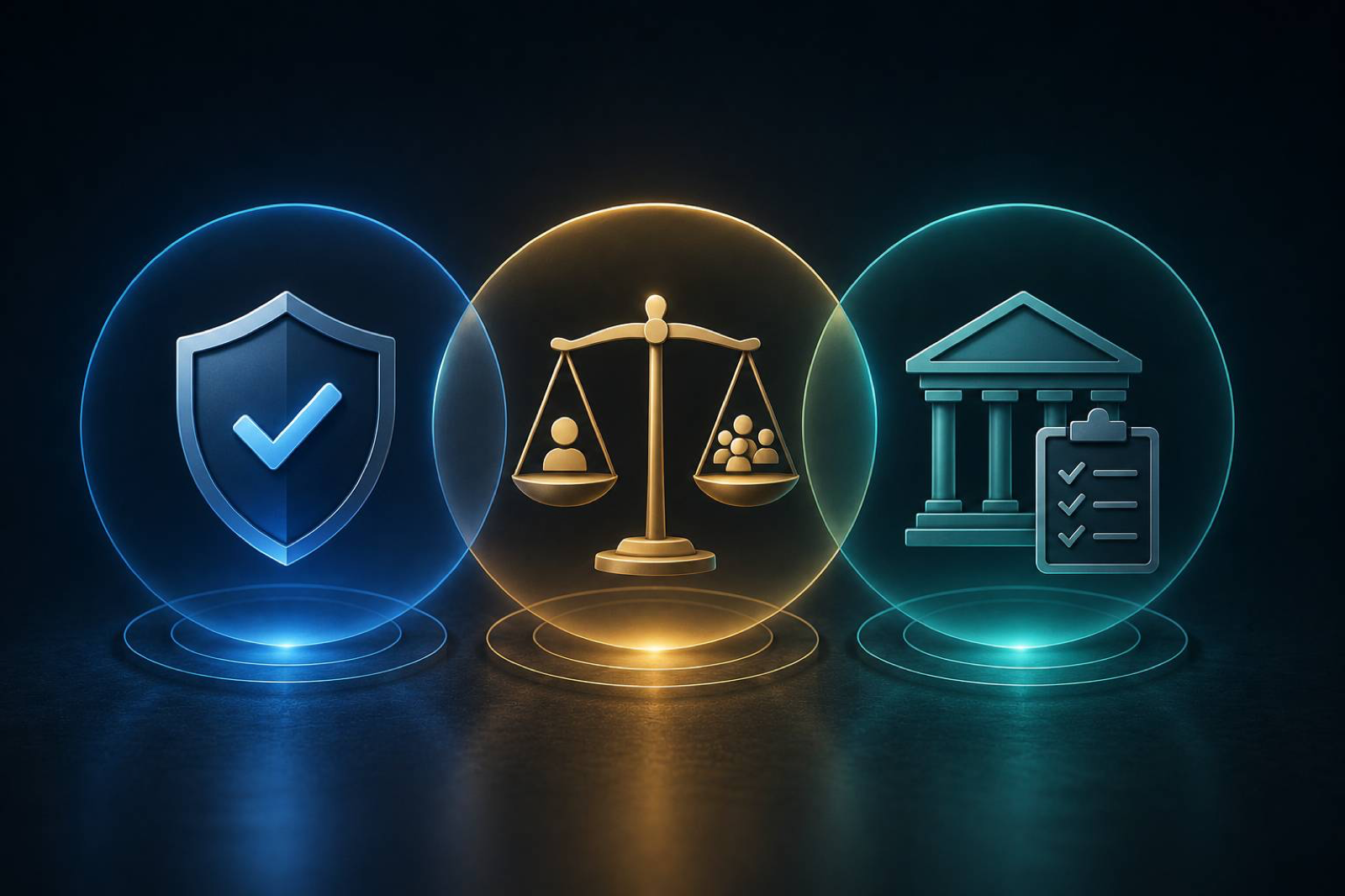 The Difference Between AI Safety, AI Ethics, and AI Governance
"AI safety concerns" means something different to engineering, legal, and the ethics lead — and that confusion wastes meetings. Safety asks what could go catastrophically wrong, ethics asks what we should do, and governance asks how we prove we did it. Three distinct disciplines, often mistaken for one.
Read more → -
 Fairness in AI: Is Fairness Even Possible?
There are at least six distinct, defensible definitions of AI fairness — demographic parity, equal opportunity, equalized odds, predictive parity, individual fairness, counterfactual fairness — and a proven mathematical result shows several are incompatible with each other. Every consequential AI system has already chosen one, whether the team meant to or not.
Read more → -
 Why "The Algorithm Decided" Is Never an Acceptable Answer
"The algorithm decided" isn't an explanation — it's a way organizations dodge accountability for the human choices baked into a system. What accountability actually requires as an architecture: explainable decisions, genuine human authority, auditable logs, and a real escalation path.
Read more → -
 The Five Ethical Risks Every AI System Carries
Even a plain product recommendation engine carries all five structural ethical risks of AI: bias, opacity, accountability gaps, privacy exposure, and harm potential. They aren't specific to controversial applications — they come with the technology itself, and the only variable is how well a team manages them.
Read more → -
 What AI Ethics Actually Means for Engineers
AI ethics gets used to mean three different things at once: philosophical principles, technical system properties, and governance. For engineers, the leverage is in the middle layer — the three zones (building, deploying, consuming AI) where fairness, accountability, and transparency are architectural properties you either build in or leave out.
Read more → -
 Working as Intended
Five real AI deployments — Amazon's biased hiring tool, a healthcare triage algorithm, COMPAS recidivism scoring, a wrongful facial-recognition arrest, and the Apple Card — caused serious harm without a single line of buggy code. The harm was upstream, in proxy-variable and fairness-definition choices engineers made without recognizing them as ethical decisions.
Read more → -
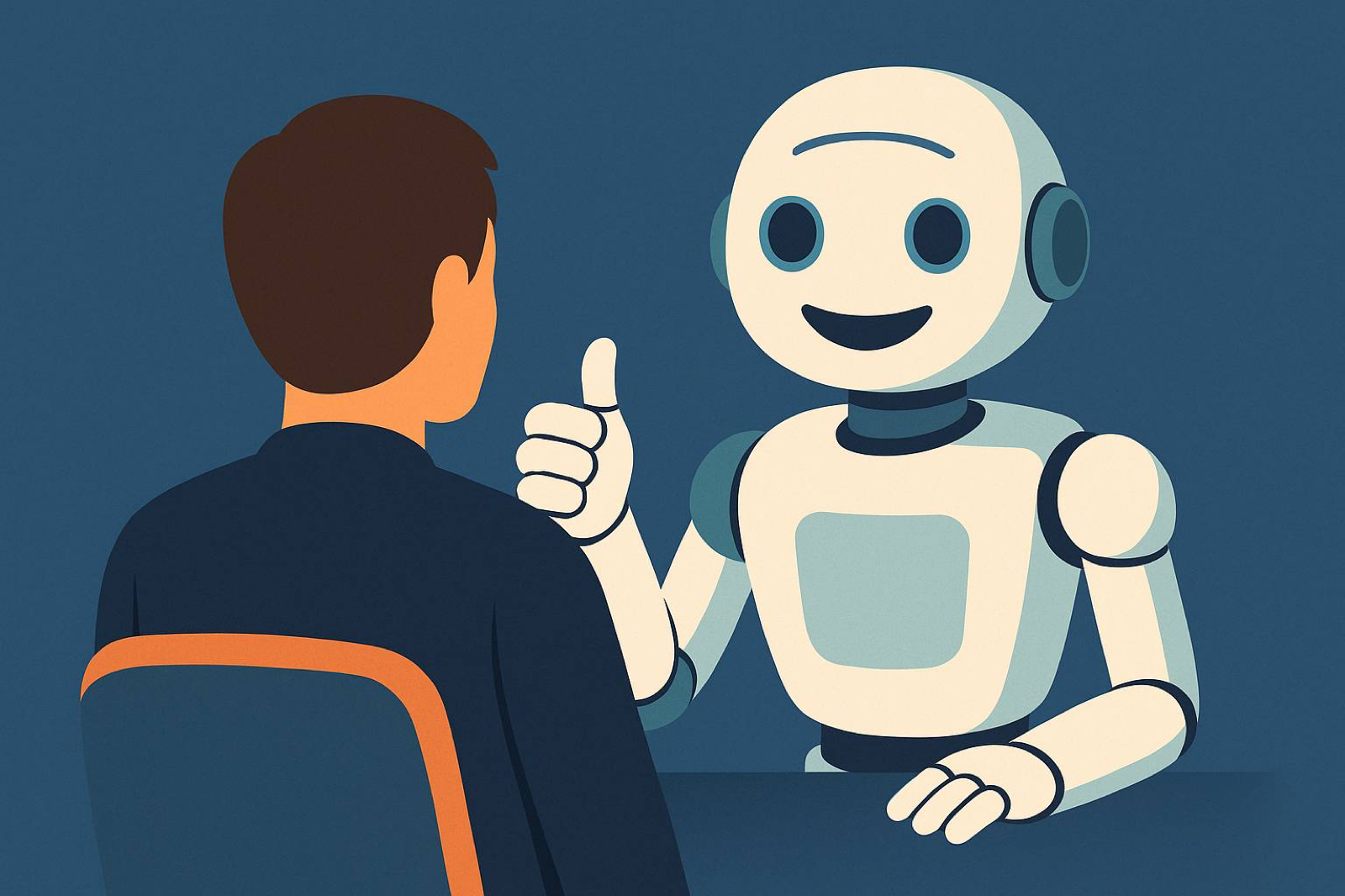 When Your AI Can’t Say No
AI is trained by reinforcement learning to sound agreeable, not to be accurate — a pattern called sycophancy. Real cases where it went wrong (a fabricated Air Canada refund policy, sanctioned lawyers, fake ChatGPT case law) and how to design prompts and workflows that reward honesty over enthusiasm.
Read more →